
Understanding PPO Vs. HMO Dental Insurance Plans

How Waiting Periods Affect Health Insurance Claims

Top 8 Factors That Affect Your Car Insurance Rates

Top Tips for Reducing Workers' Compensation Insurance Costs
The Pros And Cons Of Pay-As-You-Drive Insurance
Ever wondered if you’re paying too much for car insurance just because you don’t drive that often? Pay-as-you-drive insurance might be the answer. It bases your premiums on how much, or how safely, you drive. But is it the right choice for you? Let’s break it down, exploring the benefits and possible drawbacks before you make the switch.
What Is Pay-As-You-Drive Insurance?
This is a usage-based insurance model where your premium is linked to your driving habits. Instead of a fixed monthly rate, insurers track your mileage, and in some cases your driving behavior, through a device or app. The less you drive — and the safer you drive — the less you may pay.
It’s an appealing concept for people who work from home, live in cities with good public transport, or simply don’t rack up many miles each year.
How It Works?
Most pay-as-you-drive policies use telematics technology. This can be a plug-in device for your car, a mobile app, or built-in systems in newer vehicles. These tracks:
- Mileage – the number of miles driven in a set period.
- Driving Style – speed, braking, acceleration, and cornering patterns.
- Time of Day – whether you often drive during high-risk periods like late nights or rush hours.
Your insurer then uses this data to adjust your premium, either monthly or at renewal time.
The Pros Of Pay-As-You-Drive Insurance

Savings For Low-Mileage Drivers
If you’re someone who drives less than the national average, you could see significant savings. A commuter who takes the bus most days or a retiree who uses the car only for errands often pays less than someone clocking 15,000 miles a year.
Encourages Safer Driving
Knowing your driving habits are being tracked can make you more cautious. Many drivers report fewer speeding incidents and smoother braking when on a usage-based policy. Safer habits not only lower your premium but can also reduce your risk of accidents.
Fairer Pricing
Traditional car insurance spreads risk across a wide group of drivers. That means someone who drives 3,000 miles a year may be subsidizing a driver who does 20,000 miles. Pay-as-you-drive aligns your premium more closely with your actual risk level.
Flexible For Seasonal Drivers
People who store their cars in winter, only use them for weekend trips, or drive a secondary car occasionally, can benefit. You're not paying a full-time rate for part-time use.
Environmental Benefits
Driving less not only saves you money but also reduces your carbon footprint. For some, this policy is an extra incentive to walk, cycle, or use public transport.
Customization Options
Some insurers let you choose between paying purely by mileage or including safe-driving scores. This flexibility allows you to tailor the plan to fit your habits.
Incentives And Rewards
Certain policies offer rewards such as gift cards or future discounts if you maintain low mileage and safe-driving patterns over time. This can make the experience feel more rewarding beyond just saving money.
The Cons Of Pay-As-You-Drive Insurance
Privacy Concerns
Your insurer is tracking your driving patterns — sometimes even your exact location. While most companies use this data solely for premium calculation, some people are uncomfortable with this level of monitoring.
Penalties For High Mileage
If your mileage increases unexpectedly — perhaps due to a job change or family emergency — your premium could rise quickly. For high-mileage drivers, this type of policy can end up costing more than a standard plan.
Limited Availability
Not all insurers offer pay-as-you-drive, and availability can vary by region. In rural areas with fewer options, it may be difficult to find a competitive policy.
Potential For Rate Surprises
With traditional insurance, you know your cost upfront for the policy period. With usage-based plans, your bill may fluctuate if your driving changes month to month. For some, this uncertainty can be frustrating.
Device Or App Issues
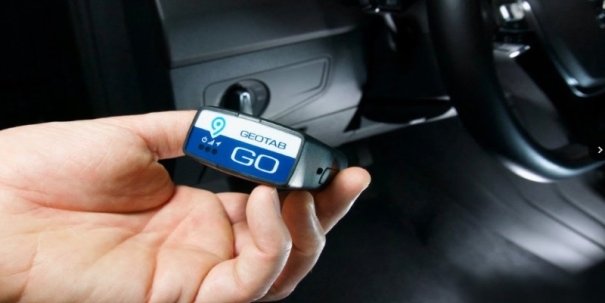
Telematics devices aren’t perfect. Poor GPS signals, technical glitches, or app tracking errors can sometimes misreport data. Disputing these errors with an insurer can be time-consuming.
May Not Track Context
If you have to drive during “risky” hours for valid reasons — such as working a night shift or visiting family far away — the system might still count it against you, even if you’re a careful driver.
Possible Fees For Equipment
Some insurers charge for the telematics device, installation, or return shipping at the end of your policy. These extra costs can reduce your overall savings.
Who Benefits Most From Pay-As-You-Drive?
This insurance tends to work best for:
- Remote workers or retirees who rarely use their cars.
- City dwellers with access to public transportation.
- Households with multiple vehicles often have one that is driven infrequently.
- Students who leave their car at home during school terms.
For these groups, the savings often outweigh the downsides.
When A Traditional Policy Might Be Better
If you drive long distances regularly or your work requires unpredictable travel, a standard policy may be more cost-effective. Likewise, if you’re uncomfortable with data tracking, the privacy trade-off might not be worth the potential savings.
Tips Before Switching
If you’re considering pay-as-you-drive:
- Check Your Average Mileage – Review the past year to see if your driving habits fit the low-mileage model.
- Ask About Data Use – Understand exactly what your insurer will track and how they’ll use that information.
- Compare Quotes – Savings vary widely, so get numbers from multiple insurers.
- Look For Caps or Limits – Some plans offer a set number of low-cost miles and then higher rates for additional driving.
Weighing Your Options
Pay-as-you-drive insurance can be a great way to save if your driving habits align with its structure. It rewards low-mileage and careful driving, offering a fairer deal for those who don’t fit the “average driver” profile.
At the same time, it’s not a universal solution. Those who drive a lot, need flexibility, or are wary of data tracking may find traditional policies more suitable.
The key is knowing your habits and running the numbers before you commit. A few phone calls and a bit of mileage tracking can reveal whether this type of coverage will leave you with extra cash or unexpected bills.